The Ultimate Balkans Backpacking Route
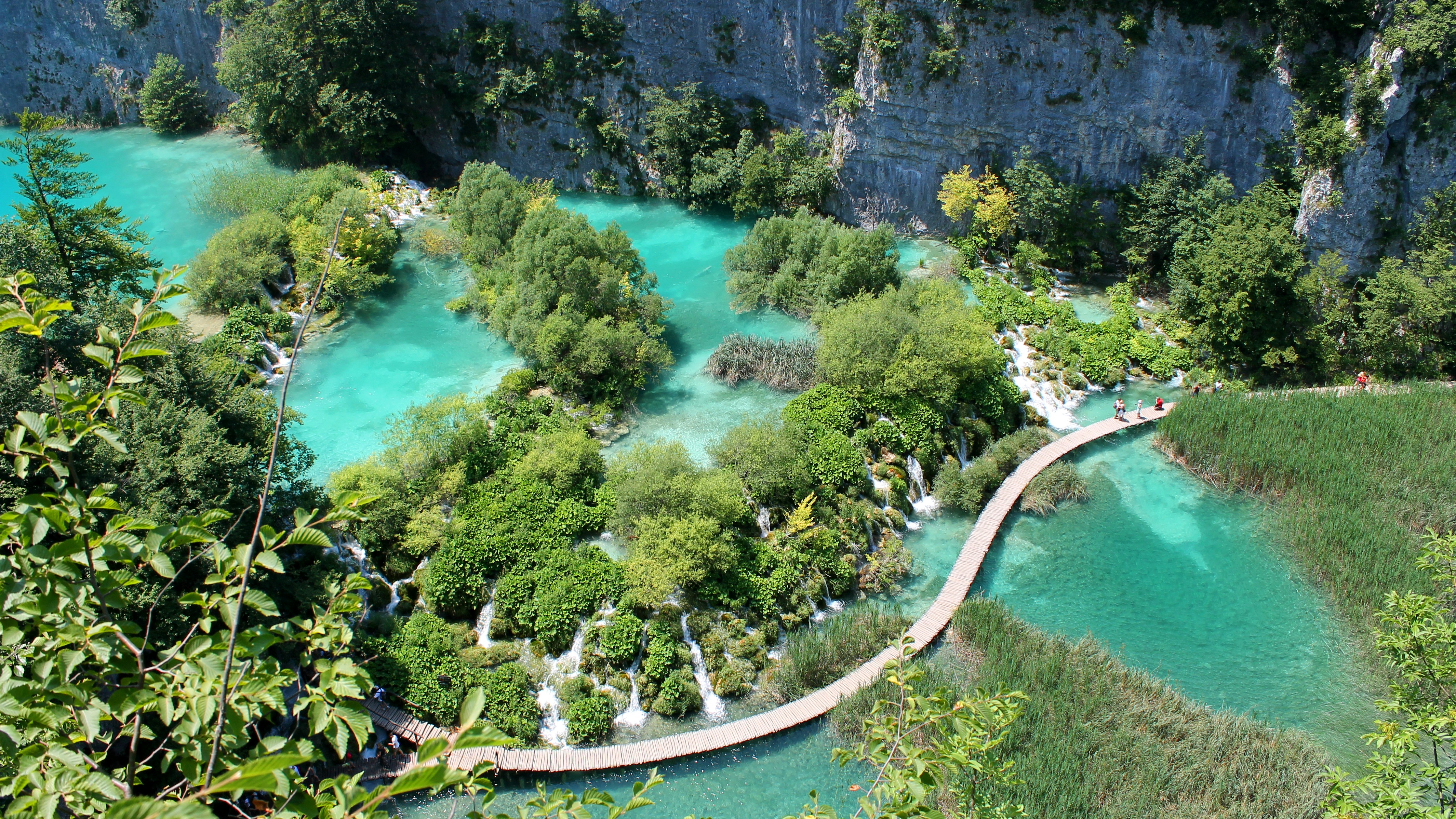
Why the Balkans Are the Best Backpacking Destination in Europe
The Balkans offer everything a backpacker could want: stunning natural scenery from Adriatic coastlines to alpine peaks, fascinating history spanning Roman, Ottoman, and Habsburg empires, vibrant food and nightlife scenes, and prices that are a fraction of Western Europe. While destinations like Thailand and Central America have long dominated budget travel conversations, the Balkans deliver a similarly rich experience on Europe's doorstep — with the added benefit of excellent bus and train connections, safe travel conditions, and a diverse cultural tapestry that changes with every border crossing.
This route takes you through Croatia, Greece, Bulgaria, and Romania over 3-4 weeks, hitting major highlights while leaving room for spontaneous detours. Every stop is connected by affordable bus routes, and the total daily budget can comfortably sit between €30-50 including accommodation, food, and activities.

Week 1: Croatia — The Adriatic Coast
Days 1-2: Zagreb
Start in Croatia's capital, a city that often gets overlooked by visitors heading straight for the coast. Zagreb has a vibrant café culture, excellent museums, and a charming Upper Town with cobblestone streets and the colourful tile roof of St. Mark's Church. Visit the Museum of Broken Relationships (genuinely one of the most unique museums in Europe), walk through Dolac Market for fresh produce and local snacks, and ride the shortest funicular in the world up to Gornji Grad. Zagreb's nightlife centres on Tkalčićeva Street, a lively strip of bars and restaurants in a former red-light district.
Budget tip: Hostel dorms in Zagreb run €12-18 per night. Lunch at a local konoba (tavern) costs €5-8 for a hearty Croatian meal. The Zagreb Card (€13 for 24 hours) covers public transport and museum entry.
Book a Zagreb walking tour on Viator
Days 3-4: Split
Take the bus from Zagreb to Split (5-6 hours, €15-25). Split's Old Town is built in and around the ruins of Roman Emperor Diocletian's Palace, a UNESCO World Heritage site that's still a living, breathing neighbourhood. Wander through the subterranean cellars, climb the bell tower of the Cathedral of Saint Domnius (originally Diocletian's mausoleum), and watch the sunset from the Riva promenade along the waterfront. Split has excellent nightlife and is a major ferry hub for the islands.
If you have an extra day, take a ferry to Hvar (1-2 hours) for lavender fields, medieval fortresses, and crystal-clear swimming coves. The town of Hvar has a reputation as a party island, but venture to the quieter southern coast for secluded beaches and family-run konobas.
Explore Diocletian's Palace with a local guide — book on Viator
Days 5-7: Dubrovnik
Bus from Split to Dubrovnik (4-5 hours, €12-20) along one of Europe's most scenic coastal roads. Dubrovnik's Old Town is a masterpiece of medieval urban planning — walk the city walls for panoramic views, take the cable car up Mount Srđ, explore the Franciscan Monastery and its 14th-century pharmacy, and swim off the rocks at Buža Bar, a cliff-side watering hole with Adriatic views. Day trip to Lokrum Island for nature, peacocks, and a saltwater lake, or kayak around the city walls at sunset.
Budget tip: Dubrovnik is Croatia's most expensive city. Stay in Lapad or Gruž (a bus ride from Old Town) for cheaper hostels (€18-25). Eat at Buffet Škola in the Old Town for affordable local fare. The walls cost €35 but are worth every cent.
Book a Dubrovnik city walls and walking tour on Viator
Week 2: Greece — Islands and Ancient Ruins
Days 8-10: Athens
Fly budget from Dubrovnik to Athens (Ryanair and other low-cost carriers operate seasonal routes, often under €40 if booked early). Athens is a city that rewards exploration beyond the obvious. Yes, the Acropolis and Parthenon are essential — visit first thing in the morning to avoid crowds. But also wander through the graffiti-covered streets of Exarchia, the anarchist neighbourhood with the best street art and most authentic tavernas. The Plaka and Monastiraki neighbourhoods below the Acropolis are tourist-heavy but atmospheric, especially the Monastiraki flea market on Sundays.
Eat souvlaki at Kostas in Syntagma Square (locals queue here daily), try loukoumades (Greek doughnuts drenched in honey) at Lukumades in Psiri, and sip ouzo with meze at a traditional ouzeri. Athens' food scene is seriously underrated and ridiculously affordable.
Book a guided Acropolis and Parthenon tour on Viator
Days 11-14: Greek Islands (Santorini or Crete)
From Athens' Piraeus port, catch a ferry to the islands. Budget backpackers should consider Crete over Santorini — it's larger, more varied, and significantly cheaper. Spend four days exploring Heraklion's Venetian harbour and Knossos Palace, hiking the Samaria Gorge, swimming at Elafonisi's pink sand beach, and eating your way through Chania's atmospheric old town. Alternatively, if your budget allows, do two days in Santorini (caldera views, Oia sunset, volcanic beaches) before hopping to a cheaper island like Naxos or Paros.
Budget tip: Ferry tickets from Athens to Crete run €25-40 for conventional ferries (8-9 hours, overnight option available) or €50-70 for high-speed (4-5 hours). Hostels on Crete cost €12-20 per night. Eat at local tavernas rather than waterfront tourist restaurants and meals cost €6-10.
Browse Crete tours and activities on Viator
Week 3: Bulgaria — Mountains, Monasteries, and Value
Days 15-17: Sofia
Fly from Athens to Sofia (budget airlines, usually €25-50) or take the scenic overland bus route through Thessaloniki. Sofia is one of Europe's most underrated capitals — a city with 7,000 years of continuous history, Roman ruins beneath the streets, Ottoman mosques beside Orthodox cathedrals, and a creative arts and food scene that's booming. The Alexander Nevsky Cathedral is magnificent, the Vitosha Boulevard pedestrian zone buzzes with café life, and the free walking tours are among the best in Europe.
Sofia is also absurdly cheap. Hostel dorms cost €8-12 per night. A meal at a traditional mehana (tavern) runs €4-7 for a full plate of kebapche (grilled meat rolls), shopska salad, and a cold Zagorka beer. The Central Market Hall (Tsentralni Hali) is perfect for cheap snacks and people-watching.
Book a Sofia guided walking tour on Viator
Day 18: Rila Monastery Day Trip
The Rila Monastery, a UNESCO World Heritage site tucked into the forested Rila Mountains, is Bulgaria's most important cultural and spiritual landmark. Founded in the 10th century, the monastery's striped arches, vibrant frescoes, and dramatic mountain setting make it one of the most photogenic religious sites in the Balkans. Regular buses run from Sofia (2.5 hours each way), or you can join a group day trip for around €30-40 that includes transport and a guide.
Book a Rila Monastery day trip from Sofia on Viator
Days 19-20: Plovdiv
Take the bus from Sofia to Plovdiv (2 hours, €7-10). Plovdiv claims to be the oldest continuously inhabited city in Europe and was the 2019 European Capital of Culture. The Old Town, perched on three hills, is a beautifully preserved collection of Bulgarian National Revival houses with their distinctive overhanging upper floors painted in bright colours. The Roman amphitheatre, still used for concerts, sits dramatically in the centre of town. Kapana, the creative quarter, is full of street art, craft beer bars, and independent boutiques. Plovdiv is also a food highlight — try banitsa (flaky cheese pastry), mekitsi (fried dough), and the excellent local wines from the Thracian Valley.
Week 4: Romania — Castles, Mountains, and Medieval Towns
Days 21-23: Bucharest to Brașov
Bus or train from Plovdiv to Bucharest (5-7 hours, €10-15), or take the comfortable overnight bus. Bucharest is a chaotic, fascinating city of contrasts — grand Belle Époque boulevards next to communist-era apartment blocks, trendy coffee shops inside crumbling buildings, and the colossal Palace of the Parliament, the second-largest administrative building in the world after the Pentagon. Spend a day exploring the Old Town (Lipscani), visiting the Village Museum (an open-air collection of traditional houses from across Romania), and eating at a traditional restaurant like Caru' cu Bere.
Then take the train through the Carpathian Mountains to Brașov (2.5-3 hours, €8-12), one of the most beautiful towns in Romania. Brașov's Council Square (Piața Sfatului) is ringed by colourful baroque buildings, and the Black Church (Biserica Neagră) is the largest Gothic church between Vienna and Istanbul. Climb (or take the cable car up) Tampa Mountain for panoramic views, and walk the narrow Rope Street (Strada Sforii), one of the narrowest streets in Europe.
Explore Brașov with a local guide — book on Viator
Day 24: Bran Castle and Peleș Castle
Brașov is the base for visiting two of Romania's most famous castles. Bran Castle, marketed as "Dracula's Castle" due to its tenuous connection to Vlad the Impaler, is a dramatic hilltop fortress surrounded by thick forest. While the Dracula connection is more myth than history, the castle itself is atmospheric and the surrounding market sells excellent local crafts. A 30-minute drive further brings you to Peleș Castle in Sinaia, a jaw-dropping Neo-Renaissance palace that served as the Romanian royal summer residence. Its ornately decorated interior — 160 rooms filled with art, stained glass, and hand-carved woodwork — is genuinely one of the most beautiful castle interiors in Europe.
Book a Bran Castle and Peleș Castle day trip from Brașov on Viator
Days 25-27: Sighișoara and the Transylvanian Countryside
Take the train from Brașov to Sighișoara (2.5 hours), the birthplace of Vlad the Impaler and one of the best-preserved medieval citadels in Europe. The UNESCO-listed old town is a fairy-tale collection of pastel-coloured houses, cobblestone lanes, and a clock tower that has kept time since the 14th century. Visit the house where Vlad was born (now a restaurant), climb the covered wooden staircase to the Church on the Hill, and simply wander the peaceful streets — Sighișoara sees far fewer tourists than Brașov and has an enchanting, time-forgotten atmosphere.
If you have extra days, explore the Transylvanian countryside: the fortified Saxon churches (seven are UNESCO-listed), the traditional village of Viscri (where King Charles III owns a guesthouse), and the rolling green hills that make this region feel like a lost corner of Europe. End your trip in Sibiu or Cluj-Napoca, both vibrant cities with excellent food scenes and easy connections home via budget airlines.
Budget Breakdown: 4 Weeks in the Balkans
Daily Costs by Country
Croatia: €40-55/day (accommodation €15-25, food €10-15, transport/activities €10-15). Greece: €35-50/day on the mainland, €45-65/day on islands. Bulgaria: €25-35/day (one of the cheapest countries in the EU). Romania: €25-40/day (excellent value, especially outside Bucharest).
Total 4-Week Budget
Budget backpacker: €900-1,200 (hostels, local food, buses). Mid-range: €1,400-2,000 (private rooms, some restaurants, guided tours). This excludes flights to and from the region, which can run €100-300 depending on your origin. Internal flights between countries (Dubrovnik-Athens, Athens-Sofia) typically cost €25-60 on budget carriers when booked in advance.
Money-Saving Tips
Cook in hostel kitchens for breakfast and lunch, eat out for dinner only. Take overnight buses to save on accommodation. Buy bus and train tickets at the station rather than online to avoid booking fees. Visit museums on free days (many offer free entry one day per week or month). Travel in shoulder season (May-June, September-October) for lower prices and fewer crowds.
Browse Balkans multi-day tours and activities on Viator
Packing List for Balkans Backpacking
Pack a 40-50 litre backpack — anything larger becomes cumbersome on buses and in hostel dorms. Essential items: quick-dry towel, universal power adapter (Croatia and Greece use Type C/F, Bulgaria and Romania use Type C/F), reef-safe sunscreen, a lightweight rain jacket, comfortable walking shoes, sandals for beaches and hostels, and a padlock for hostel lockers. Bring a reusable water bottle — tap water is safe to drink in all four countries on this route.
Book Your Experience
Found something you love? Browse tours and book directly with free cancellation on most experiences.
Powered by Viator. Bookings may earn Viaspora a commission at no extra cost to you.